Why a sammarinese cuisine menu insider mindset matters in san marino
San Marino rewards the traveler who reads its menus as carefully as its skyline. The right locally minded, sammarinese cuisine menu insider approach turns a simple dinner in San Marino into a quiet masterclass in regional cooking, especially when you stay overnight rather than rush back to the coast. Think of each list of dishes as a compact guide to the republic’s history, its links with Emilia-Romagna and the northern Marche, and the way local products still anchor daily life.
In the historic center above Città di San Marino, hotel restaurants often balance international expectations with traditional food from the republic, and this is where an insider eye matters most. You will see familiar Italian names, yet the best experiences come from the plates that speak directly of the small territory, its cured meats, its cheeses and its local wines served with precision rather than ceremony. A curious diner with a sammarinese-focused mindset reads past the generic pasta and grilled fish to find the dishes that make perfect sense only here.
Start by scanning the menu structure, because the best restaurants in San Marino usually group antipasti, primi, secondi and desserts in a way that highlights local products first. When you see piadina, passatelli, rabbit alla porchetta or torta Tre Monti, you have already begun to eat San Marino with intent, even before ordering. Use the menu as a quiet guide, then ask staff to help you find the plates that the kitchen is proudest to have served that day.
Piadina and the first course test of a sammarinese cuisine menu insider
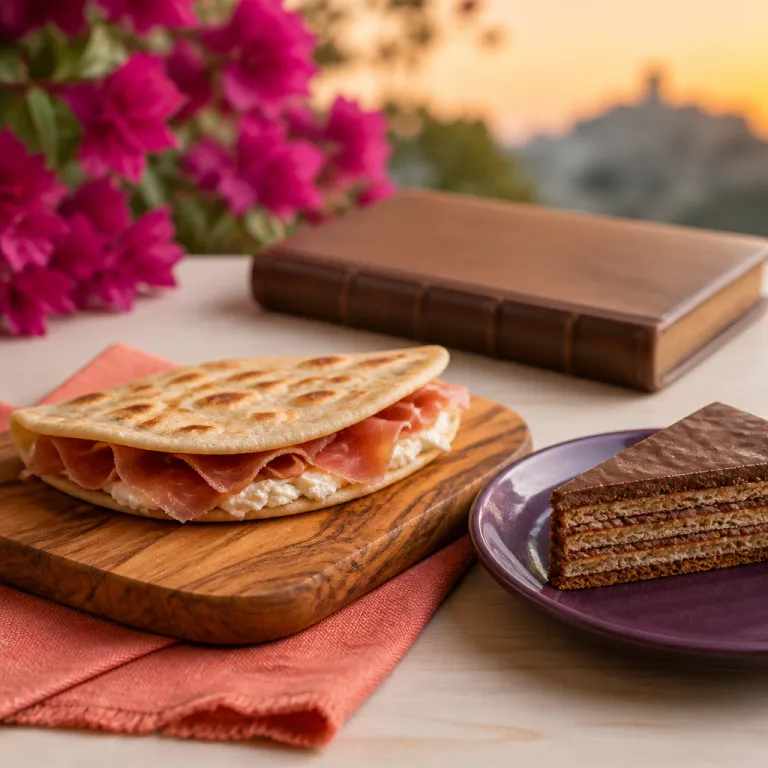
Piadina is the daily bread of this hilltop state, and it is where any attentive sammarinese cuisine menu insider quietly starts judging a kitchen. In San Marino the flatbread is close to Emilia-Romagna in spirit, made from flour, water and lard, sometimes with a touch of yellow flour, yet the best versions are thin like Rimini’s but slightly more substantial, a small difference you feel when you eat San Marino style. When a restaurant brings piadina hot, lightly blistered and served with local cured meats and soft cheeses, you are in the right place.
Look for fillings that speak of the republic’s cooking rather than generic tourist food, such as stracchino with peppery arugula and prosciutto crudo sliced to order. In the historic center, some hotel restaurants plate piadina as a refined antipasto, pairing it with wines from the Colli di Rimini DOC, officially recognized in 1996, and seasonal vegetables, while others treat it as a quick snack for tours that rush guests back to the bus. A guest who understands sammarinese food culture will always find the version that respects the dough, the resting time and the balance between cheese and cured meats.
Passatelli in brodo is the next serious test, because this breadcrumb pasta in clarified broth exposes every weakness in a kitchen. The mixture of breadcrumbs, Parmigiano Reggiano, eggs and lemon zest should hold its shape yet remain tender, and the broth must taste clean, deep and carefully skimmed before being served. When a hotel restaurant in San Marino treats passatelli as a signature rather than a token regional nod, as you might find at long-established dining rooms such as Ristorante Righi in Piazza della Libertà, you can trust the rest of the dishes and consider this property for a longer luxury stay that goes beyond the five star checklist described in our guide to what a luxury stay in San Marino looks like.
Reading the heart of the menu: pasta, rabbit and beans
Once you move past the opening act, the main body of the menu reveals whether you are in a serious restaurant for local food or a generic hilltop stop. Tagliolini with herbs, rabbit alla porchetta, nidi di rondine and fagioli con le cotiche are the plates that quietly separate a tourist list from a sammarinese cuisine menu insider map. These dishes may look simple, yet in San Marino they carry the weight of family recipes and the influence of both Emilia-Romagna and the Marche hinterland.
Tagliolini with herbs should taste of the surrounding countryside, with finely cut pasta absorbing a light sauce of seasonal greens, local products and good olive oil. Rabbit alla porchetta, rolled with herbs and slow roasted, shows how the republic’s cuisine handles meat, while nidi di rondine, those baked pasta “swallow nests” with smoked ham, beef, cheese and tomato, reveal the kitchen’s control of texture and timing. When fagioli con le cotiche arrive at your table, beans and pork rind cooked until silky, you are tasting the small republic’s rural memory, served in a form that still feels perfectly right after a day of meetings or tours.
In the historic center around Città di San Marino, some hotel restaurants now offer tasting menus that weave these traditional dishes into contemporary presentations. A thoughtful sammarinese cuisine menu insider will read the descriptions carefully, then ask which plates are prepared entirely in house and which rely on external products, because this affects both quality and authenticity. If you prefer more residential surroundings, consider refined villa style stays highlighted in our overview of San Marino villa and apartment style homes for refined stays, then plan dinners in the historic center where the best kitchens still cook these classics nightly.
The cheese sequence and the sweet architecture of tre monti
A true sammarinese cuisine menu insider never skips the cheese course, because it is where San Marino quietly showcases its dairy culture. When you see a progression from Casatella, Caciotta and Nuvoletta through to Campagnola, Noce and Fossa, order them in that exact sequence, moving from fresh to aged as you eat San Marino cheeses. The best restaurants will explain each cheese, its aging time and the local wines or honey served alongside, turning a simple plate into a compact culinary guide.
Ask whether the cheeses come from small producers within the republic or from nearby Emilia-Romagna and the Marche, because this detail matters to anyone serious about regional food. A well curated board often includes local products such as jams, nuts and breads that echo the surrounding hills, and this is where you can quietly assess how much attention the restaurant pays to sourcing. When the staff can help you find the right pairing between a sharper Fossa and a structured red from the Titano slopes, you are in the hands of professionals who understand the area’s cuisine beyond the obvious.
Dessert is where the republic’s identity becomes architectural, and every sammarinese cuisine menu insider looks for torta Tre Monti and torta Titano. Torta Tre Monti, also known as torta San Marino, is a layered cocoa and hazelnut wafer construction inspired by the Three Towers, while torta Titano adds a fifth wafer layer and darker chocolate for a more intense finish. “What is Torta Tre Monti?” and “What is Piadina?” are answered simply by locals as “A layered wafer cake with chocolate or hazelnut crème, covered in chocolate fondant.” and “A flatbread with various fillings, similar to piadina from Emilia-Romagna.”, and La Serenissima, the historic bakery in Borgo Maggiore that has produced Torta Tre Monti since 1942 according to the company’s own history, remains the reference for these hazelnut cream rich desserts that close the meal with both sweetness and a sense of place.
Hotel restaurants, ordering protocol and where a sammarinese cuisine menu insider sleeps
Not every hotel restaurant in San Marino treats the menu as a craft, and this is where a sammarinese cuisine menu insider mindset protects your time and budget. Some properties in the historic center lean heavily on translations and generic international food, while others use the same space to stage thoughtful cooking that respects local products and traditional recipes. The difference becomes clear when you see how many dishes reference piadina, passatelli, rabbit alla porchetta, nidi di rondine or torta Tre Monti, and how confidently the staff can guide you.
Adopt a small ordering protocol that works across the republic, from Città di San Marino to quieter slopes below Monte Titano. First, skip the translated section of the menu and ask the team to walk you through the day’s specials, paying attention to which plates are described with energy and detail. Then order at least one dish you do not immediately recognize, because this is often how you discover authentic food from the republic that never appears on tourist lists, and how you eat San Marino in a way that feels both personal and precise.
For travelers booking premium stays, align your room choice with your dining ambitions, because the best experiences often come when you can walk from your suite to a serious restaurant without leaving the historic center. Our overview of all inclusive luxury hotels in San Marino with panoramic views highlights properties where the restaurant is more than an amenity, and where perfectly paced evenings unfold between the wine list and the skyline. Use this sammarinese cuisine menu insider guide as your quiet companion, and you will find that the republic’s small scale works in your favor, turning each meal into a focused, memorable part of your stay.
FAQ
Is sammarinese cuisine different from Italian cuisine?
Sammarinese cuisine is closely related to the food of Emilia-Romagna and the nearby Marche, yet it has its own traditional dishes and products. In San Marino you will find piadina, passatelli, rabbit alla porchetta and torta Tre Monti served with a distinctly local sensibility. This mix of shared roots and small territorial variations is what makes a sammarinese cuisine menu insider approach so rewarding.
What are the must try traditional dishes in san marino hotel restaurants?
Look for piadina with cured meats and soft cheeses, passatelli in brodo, tagliolini with herbs, rabbit alla porchetta, nidi di rondine and fagioli con le cotiche. A serious restaurant in the historic center will often highlight these dishes as part of its identity. Ordering at least one of them at each meal helps you eat San Marino in a way that reflects local culture.
How should I order cheese and dessert like a local in san marino?
When a cheese board is offered, start with fresh options such as Casatella, Caciotta and Nuvoletta, then move to aged cheeses like Campagnola, Noce and Fossa. Ask for local wines or honey to be served alongside, because these pairings showcase regional products. For dessert, a sammarinese cuisine menu insider always considers torta Tre Monti or torta Titano, both layered wafer cakes that represent the Three Towers and Monte Titano.
Do I need to speak Italian to navigate a sammarinese menu?
Basic Italian food terms are helpful, yet most hotel restaurants in San Marino can explain dishes in English. A good strategy is to ignore literal translations and ask staff to guide you through the day’s specials and the most traditional dishes. This approach often leads you to the best plates and helps you find local products that might not be obvious from the printed menu.
Where should I stay for the best access to sammarinese cuisine?
Staying within or near the historic center of Città di San Marino places you close to many of the republic’s most interesting restaurants. Luxury and premium hotels on or around Monte Titano often combine panoramic views with easy access to traditional food, from piadina to torta Tre Monti. Choosing a property with a serious in house restaurant allows you to experience local cooking at different times of day without sacrificing comfort or service standards.