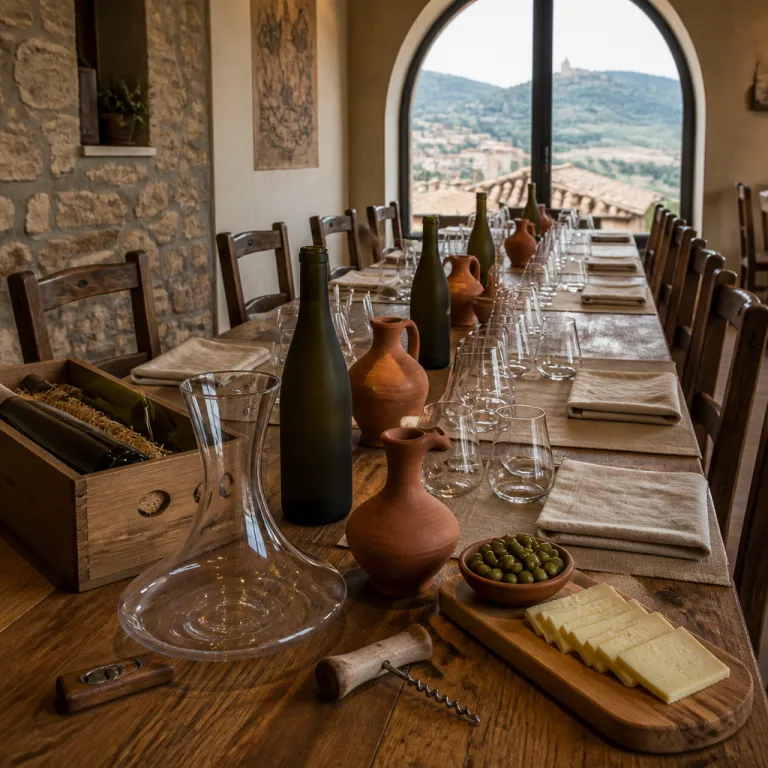
Why sammarinese wine dining culture rewards an overnight stay
San Marino looks compact from afar, yet its sammarinese wine dining culture unfolds slowly once day trippers leave. The hilltop silence around Mount Titano lets you hear glasses clink, watch candles burn lower, and feel how food and drink shape evenings in this republic San that is often mistaken for a simple detour from Italy. Stay in a luxury property within the historic center and you will see how the rhythm of marino local life, from the first espresso to the last grappa, becomes part of the stay as surely as the view of the three towers.
High end hotels here now curate experiences that go well beyond a standard italian cuisine tasting menu. Concierges arrange private visits to the Cantina di San Marino, where annual wine production reaches around 6 500 hectoliters, and where Sammarinese winemakers use traditional methods to craft Brugneto, Tessano, Biancale, and Roncale that pair naturally with sammarinese cuisine and the rich dishes of nearby Emilia Romagna. These tailored tastings help solo travelers understand how wine, food, and the steep slopes of Mount Titano intersect, turning a short stay into a compact guide to the region’s history and flavors.
For guests who care about context as much as comfort, this is where things get interesting. The sammarinese wine dining culture is not a copy of italian habits from surrounding Emilia Romagna, but a micro state interpretation shaped by marino small territory, limited agricultural land, and centuries of trade with Italy. Luxury hotels that take food drink seriously now brief their teams on the history of the republic San, the role of olive oil from nearby valleys, and the way local dishes evolved, so that every recommendation feels like a good, precise suggestion rather than a generic list of things San Marino is supposed to offer.
The wines and spirits that anchor the sammarinese table
Spend a night in San Marino and you quickly notice that wine is treated as both daily pleasure and cultural marker. The sammarinese wine dining culture leans on native labels such as Brugneto and Tessano for reds, Biancale and Roncale for whites, while modern wine bars pour Sangiovese and Trebbiano from Italy’s Emilia Romagna alongside these marino local bottles. Luxury hotel bars now stock these wines as a matter of course, so that guests can taste the difference between a structured San Marino red and a softer Romagna counterpart without leaving the lounge.
Spirits play their own role in this compact republic San, especially when evenings stretch late over conversation. When you read a bar menu curated with care, you will often find Mistrà, an aniseed flavored spirit, and Tilus, a truffle flavored specialty, presented not as novelties but as part of sammarinese cuisine rituals that sit comfortably beside italian classics like amaro or grappa. As one local reference explains without embellishment, “Are there unique Sammarinese spirits? Yes, including Mistrà (aniseed-flavored) and Tilus (truffle-flavored).”
For travelers who want to go deeper, the Consorzio Vini Tipici di San Marino and the Terra di San Marino consortium have become essential partners for hotels that care about authenticity. During the E…state col Consorzio summer program, for example, concierges can secure spots at wine and cinema evenings or sunset vineyard walks, where people San Marino meet visitors over glasses of Brugneto while the outline of Mount Titano fades into the dark. If you want a more detailed vintner’s perspective before booking, read the focused analysis of old town wine lists in this article on what is pouring in San Marino’s historic center, then ask your hotel to align your tastings with the labels that interest you most.
From nidi di rondine to torta Tre Monti: reading the menu like an insider
Menus in San Marino look familiar at first glance, especially if you know italian cuisine well. Pasta appears in many forms, yet the sammarinese wine dining culture gives certain dishes a distinct twist, from nidi di rondine baked with ham, beef, cheese, and tomato sauce to rustic soups that reflect the marino small agricultural base on Mount Titano. Luxury hotel restaurants that respect sammarinese cuisine will highlight these local dishes clearly, then suggest wines such as Biancale or Roncale that match the richness without overwhelming the plate.
Desserts tell an even more focused story about identity, and they matter as much as any savory dish. Torta Tre Monti, sometimes written as torta tre Monti, is the signature cake of San Marino, a layered wafer and cream creation that echoes the three towers of Titano and the layered history of the republic San itself. Its filling of dark chocolate and hazelnut cream speaks to trade routes with Italy, while the crisp wafers show how marino local pastry makers adapted limited resources into something both rich and surprisingly light.
For solo travelers who want to understand these things in context, a good written guide can be as useful as a chatty waiter. Before you book a table, read the in depth article on how to read a Sammarinese menu like an insider, then cross check the dishes you find there with what your hotel restaurant offers. When you sit down to eat San Marino style, you will recognize how olive oil from nearby Emilia Romagna, local eggs, and carefully sourced flour come together in each dish, and you will be better placed to ask for pairings that respect both the food and the wine.
Table rituals, farm to table thinking and the view from Mount Titano
What sets sammarinese wine dining culture apart is not only what you eat and drink, but how and where you do it. On Mount Titano, where agricultural land is limited, the farm to table movement becomes less of a marketing phrase and more of a logistical reality, because many marino local kitchens know the producers personally. When a luxury hotel highlights that its olive oil, vegetables, and cheeses come from within or just beyond the borders of San Marino, it is describing a supply chain that can often be traced in a short drive rather than a vague regional promise.
Rituals around food drink also reflect the micro state’s scale and its long relationship with Italy. Aperitivo might start with a glass of Tre Monti estate wine or a crisp Biancale, taken on a terrace where the view stretches across Emilia Romagna and down to the Adriatic, while small plates of local dishes circulate slowly enough to encourage conversation. Dinner often unfolds in three measured acts, with pasta or another warm dish first, a main course that may feature meat from nearby valleys, then torta Tre Monti or seasonal fruit, all paced to match the rhythm of conversation rather than the clock.
Hotels that understand this culture design spaces that support lingering rather than rushing. A well placed lounge chair facing the three towers, a quiet corner table where people San Marino might sit beside visitors, or a bar that keeps Mistrà and Tilus on the shelf next to international labels, all signal that you are meant to stay a little longer. If you want to see how architecture and hospitality intersect with these rituals, the detailed feature on architectural marvels and refined stays in San Marino offers a complementary guide to choosing properties where the view of Titano is as carefully considered as the wine list.
How luxury hotels curate sammarinese food and wine for modern travelers
For a solo explorer, the right hotel in San Marino becomes both base and guide to the sammarinese wine dining culture. The best properties brief their teams on local history, from the origins of the republic San to the establishment of the Cantina di San Marino, so that every recommendation about food drink carries context rather than cliché. When a concierge suggests a marino local trattoria for pasta or a contemporary restaurant for reimagined vegetarian versions of traditional dishes, you can expect that advice to be grounded in regular tastings and real relationships.
Many high end hotels now collaborate directly with Sammarinese winemakers and local chefs to create experiences that feel tailored rather than templated. One evening might involve a guided tasting of Brugneto and Tessano in the hotel bar, paired with small bites of nidi di rondine or other warm dishes that show how sammarinese cuisine handles richness and acidity, while another night could feature a dessert flight built around torta Tre Monti, dark chocolate truffles, and hazelnut cream pastries. These curated events help guests understand how italian cuisine from nearby Emilia Romagna intersects with the more compact traditions of marino small territory, without blurring the lines between Italy and San Marino.
Education plays a quiet but important role in this process, almost like a form of higher education for the palate. Some properties offer short printed guides to local dishes and wines in each room, while others arrange informal chats with chefs or sommeliers who explain why certain olive oil producers are favored, or how the slopes of Mount Titano influence acidity in white wine. When you leave, you carry more than a list of things San Marino is famous for ; you take away a working understanding of how this micro state eats and drinks, and how that knowledge can shape your next booking decision in the region.
FAQ about sammarinese wine, food and dining rituals
What are the traditional Sammarinese wines I should try first ?
Start with Brugneto and Tessano if you enjoy structured red wine, then move to Biancale and Roncale for fresher white styles that pair well with pasta and lighter dishes. These labels are produced by the Cantina di San Marino using traditional methods that reflect the slopes of Mount Titano and the limited but carefully managed vineyards of the republic. Many luxury hotels feature these wines by the glass, making it easy to taste them without committing to full bottles.
Which typical Sammarinese dish best represents the local cuisine ?
Nidi di rondine is often cited as a defining dish of sammarinese cuisine, because it combines familiar italian ingredients with a distinctly local baked format. The rolled pasta, filled with ham, beef, cheese, and tomato sauce, is sliced and baked until the edges caramelize slightly, creating a rich yet balanced plate. Pair it with a medium bodied red from San Marino or nearby Emilia Romagna to experience how regional wine supports the depth of the food.
Are there unique Sammarinese spirits worth ordering after dinner ?
Yes, two names appear frequently on serious bar menus in San Marino, and both are worth your attention. Mistrà is an aniseed flavored spirit that works well as a digestif, especially after rich dishes or desserts like torta Tre Monti, while Tilus is a truffle flavored specialty that reflects the forested slopes around Mount Titano. Ordering one of these instead of a standard international label adds a distinctly local note to the end of your meal.
How does San Marino’s dining culture differ from nearby Italian regions ?
While San Marino shares many ingredients and techniques with Emilia Romagna and the rest of Italy, its small territory and independent history create a more concentrated version of farm to table dining. Producers, chefs, and hoteliers often know each other personally, which shortens the distance between vineyard, kitchen, and table, especially in luxury properties that prioritize local sourcing. The result is a sammarinese wine dining culture where each recommendation carries a sense of place that feels more specific than in many larger italian cities.
Is it worth staying overnight just for the food and wine experience ?
For travelers who care about gastronomy, an overnight stay in San Marino is not only justified but highly recommended. Once day visitors leave, hotel restaurants, wine bars, and terraces around the three towers shift into a slower, more intimate rhythm that lets you appreciate both the view of Titano and the nuances of local wine and food. This quieter window is when sammarinese cuisine, from pasta to torta Tre Monti, reveals its full character, supported by attentive service in the best luxury properties.