Why san marino photography golden hour starts with your hotel key
San Marino sits high on Mount Titano, so the sun drops slowly across the Romagna plain and gives photographers a long, generous golden hour. Stay on the mountain rather than in the valley and you gain crucial time, because the best golden hour in San Marino often unfolds while day visitors are already driving back toward the coast. That is when the light softens, the horizon glows a muted golden tone, and the republic’s stone walls seem to hold the last warmth of the day.
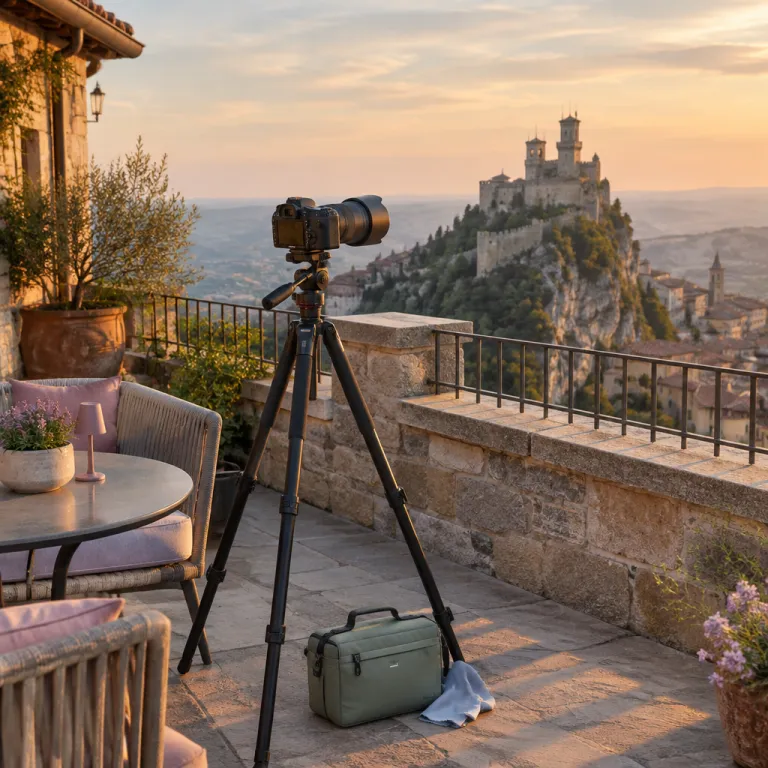
For any photographer who loves carefully planned hour photography, the choice of hotel is as strategic as lens selection. A terrace facing the Adriatic side lets you frame San Marino sunrise scenes, while a room oriented toward the inland hills captures the final sunset light rolling over fields and park land. When you book, ask directly which rooms and terraces have an unobstructed view of the horizon, because golden hour photography in San Marino depends on avoiding cluttered foregrounds, intrusive rooflines, and harsh reflections that dilute the beautiful colour.
Luxury properties in the historic centre of San Marino, such as Hotel Titano or Grand Hotel San Marino, give you immediate access to the Three Towers, yet they also provide quieter corners for a private shoot golden session. Many terraces are set just below the ramparts, so you can photograph nature golden tones in the sky while keeping medieval stone in the lower third of your photos. This balance between architecture and nature makes every golden hour session feel both intimate and expansive for any visiting photographer who loves working with changing light.
Terraces that frame the light: where luxury hotels earn their view
Not every hotel terrace in San Marino is equal when the sun drops, and serious photography fans should be selective. Look for elevated decks that face the Romagna plain, because the golden hour there stretches from the first warm light on the horizon until the last pastel band fades behind the distant Adriatic. These are the spaces where a photographer can work through an entire hour photography sequence without moving more than a few metres, adjusting composition as the sky shifts from bright gold to soft blue.
Many premium properties now design their bar terraces as sunset stages, which quietly benefits anyone planning a shoot golden session. Order an aperitivo early and you secure a front row table, then use the changing light to capture both candid photos of the scene and wider frames of the republic floating above nature. For a curated list of hotel bars where the timing of the day is everything, see this guide to aperitivo above the plain in San Marino’s hotel bars, which highlights where the golden glow lasts longest and the horizon stays clear.
On the most photogenic terraces, you can shoot San Marino sunrise colours before breakfast and return for sunset without ever leaving the property. The best golden hour viewpoints usually offer a clear line to the horizon, minimal glass reflections, and enough space to set up a tripod without blocking service. When you find that combination of light, time, and comfort, you understand why photographers love staying overnight in San Marino instead of treating the republic as a quick day trip, especially when they want a complete day’s worth of images.
The Three Towers at first and last light
San Marino’s Three Towers are the anchors of almost every golden hour portfolio, yet each tower behaves differently with the sun. Guaita, the first tower, catches the earliest light at sunrise, so a photographer based in the historic centre can walk up in the blue hour and be ready when the first golden band touches the stone. From there, you can frame San Marino sunrise scenes with the plain still in shadow, which creates a beautiful contrast between warm ramparts and cool valleys and gives your photos a strong sense of depth.
Cesta, the second tower, excels at sunset when the sun drops directly behind the Apennines and the horizon burns with golden and orange tones. This is where hour photography becomes almost cinematic, because you can shoot golden silhouettes of the tower against a sky that shifts colour every few minutes. In autumn and winter, fog often fills the lower valleys, and the towers appear to float above a sea of nature golden mist that rewards anyone who stayed the night instead of leaving during the day.
Montale, the third and quietest tower, suits photographers who love solitude and slower sessions. The path there passes through park like woodland, so you can capture photos of trees catching side light before emerging at viewpoints where the entire ridge of San Marino stretches along the horizon. After a morning session, step back into the hotel world and notice how kitchens pivot to seasonal menus, especially in cooler months when the same fog that shapes your images also shapes the dishes celebrated in guides such as how San Marino’s hotel kitchens change in autumn.
Fog, inversions and the quiet drama of marino sunrise
One of the least expected rewards of San Marino golden hour work is the way fog behaves around Mount Titano. On certain mornings, especially in colder seasons, a photographer who wakes before sunrise finds the valleys below completely hidden, while the towers and hotel terraces sit in clear air above a white sea. This San Marino sunrise phenomenon turns even a simple park bench into a front row seat on a floating island of stone and light, and it is one of the most beautiful sights a visitor can witness.
From a luxury hotel balcony, you can start an hour photography sequence while the sun is still below the horizon, then watch as the first golden rays carve shapes into the fog. The light gradually reveals distant hills, and your photos move from abstract layers of nature golden mist to fully formed landscapes anchored by the republic’s walls. Because this transformation happens quickly, staying overnight in San Marino is the only realistic way to be in position at exactly the right time of day, with your camera ready for the changing conditions.
Cloud inversions also change the character of sunset, softening the sun into a muted disc that you can frame safely behind tower silhouettes. During these sessions, a photographer can shoot golden reflections on stone, then pivot to tighter details of windows and flags catching the last light. When you review your images later, the most beautiful frames often come from those in between minutes when the horizon is neither fully bright nor fully dark, but balanced in a delicate golden hour transition that rewards patience.
Practical etiquette and booking strategy for the golden hour guest
Working on San Marino golden hour projects from a luxury hotel means balancing creative ambition with respect for other guests. Tripods are usually allowed on outdoor terraces, but always ask staff first and keep your setup compact so service can move freely during the busiest time of day. When a terrace is crowded at sunset, switch to handheld hour photography and focus on lighter gear, reserving your full shoot golden session for quieter San Marino sunrise moments when the space feels calmer.
Booking strategy matters as much as camera settings, especially in a compact destination like San Marino where the best rooms are limited. Choose properties in the historic centre or along the ridge, then request upper floor rooms with balconies that face the horizon rather than internal courtyards. For a curated overview of where to start, the guide to exceptional luxury hotel stays in San Marino’s heart helps you align your photography goals with specific addresses and match your budget to the level of service you prefer.
During any session, remember that the most beautiful light often lasts only a few minutes, so plan compositions in advance and move with intention. A photographer who loves both nature and architecture should scout park paths, tower viewpoints, and hotel terraces during the day, then return when the sun turns the stone walls a deep golden colour. By treating golden hour in San Marino as a complete experience rather than a single shot, you give yourself the best chance of returning home with photos that truly capture the republic’s elevated calm and the changing mood of the sky.
FAQ
Is san marino photography golden hour better at sunrise or sunset ?
Both San Marino sunrise and sunset are rewarding, but they offer different moods for a photographer. Sunrise usually brings calmer terraces, softer nature golden mist, and fewer people in your photos. Sunset delivers warmer golden hour tones on the towers and a livelier atmosphere on hotel terraces overlooking the horizon, which many visitors love when they want a social session.
Do I need to stay overnight in san marino for the best photos ?
Yes, staying overnight in San Marino is essential if you want both sunrise and sunset sessions in one trip. Day visitors usually miss the first and last light, which are the best times for hour photography and for capturing the most beautiful colours in the sky. An overnight stay also lets you react quickly when fog or cloud inversions create unexpected golden hour conditions.
Can I use a tripod on hotel terraces during golden hour ?
Most luxury hotels in San Marino allow tripods on outdoor terraces if you remain discreet and respect other guests. Set up at the edge of the space, keep your gear compact, and avoid blocking staff during the busiest time of day. When terraces are crowded at sunset, switch to handheld shooting and save tripod work for quieter San Marino sunrise sessions when you have more room to move.
Which side of Mount Titano is best for san marino photography golden hour ?
The side facing the Romagna plain is ideal for sunset, because the sun drops behind distant hills and stretches the golden hour. For San Marino sunrise, look for terraces and viewpoints that open toward the inland horizon, where the first light reveals layers of nature and fog. Booking a room with access to both orientations gives a photographer maximum flexibility and more chances to come home with varied photos.
How should I plan my day around golden hour in san marino ?
Start with an early San Marino sunrise session from a tower or hotel balcony, then rest or explore the historic centre during the brighter part of the day. In late afternoon, scout your sunset compositions, secure a terrace table, and prepare for a focused shoot golden sequence as the sun drops. This rhythm keeps you fresh while maximising the most beautiful light for San Marino golden hour work and leaves time to enjoy the city between sessions.